
TED lab

Traits and Ecological Dynamics

(aka Tundra Ecosystem Dynamics)

Moss campion (Silene acaulis) and dwarf willow (Salix herbacea), Monte Prado, Italy

“Contrasting architectures meet: the moss campion Silene acaulis hosting the deciduous dwarf shrub Salix herbacea in an alpine snowbed (Mount Prado, Italy). Trait diversity shaping microclimate and the subtle art of plant-plant interactions”

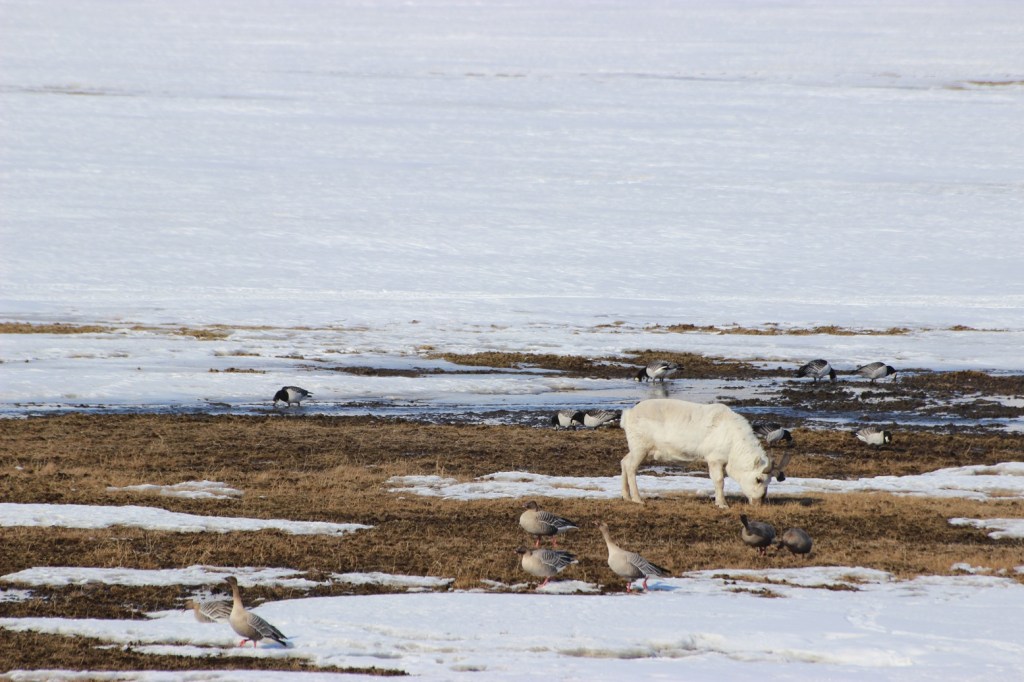
“Winter breaks its nine-month hold: pink-footed and barnacle geese join a reindeer on the first snow-free tundra (Adventdalen, Svalbard). Herbivore diversity shaping plant-community dynamics from the outset of the fleeting high-Arctic summer”

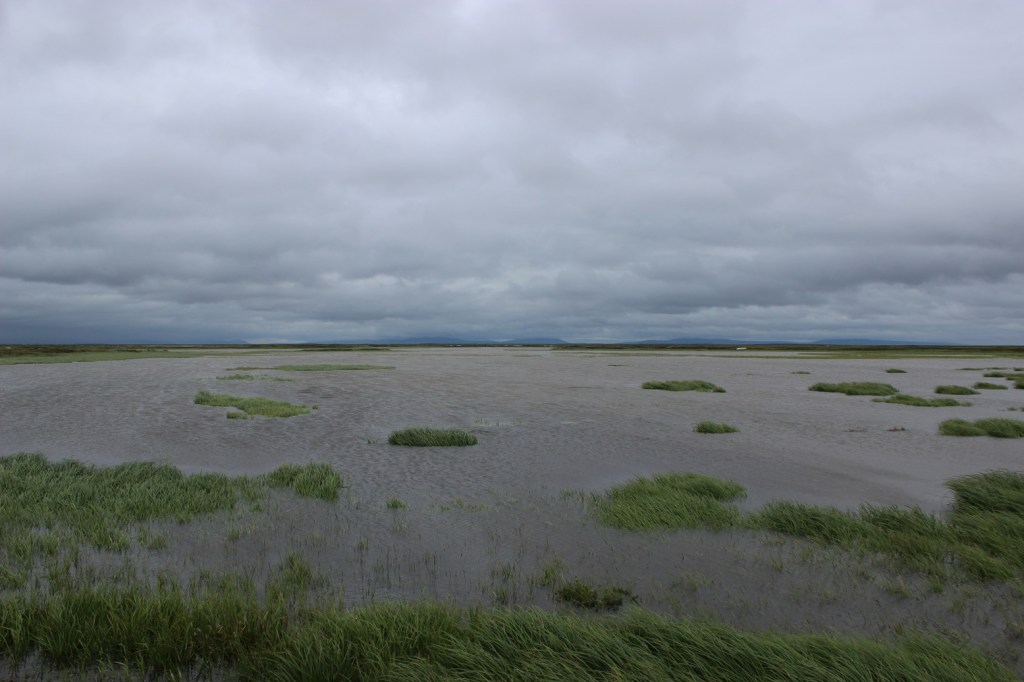
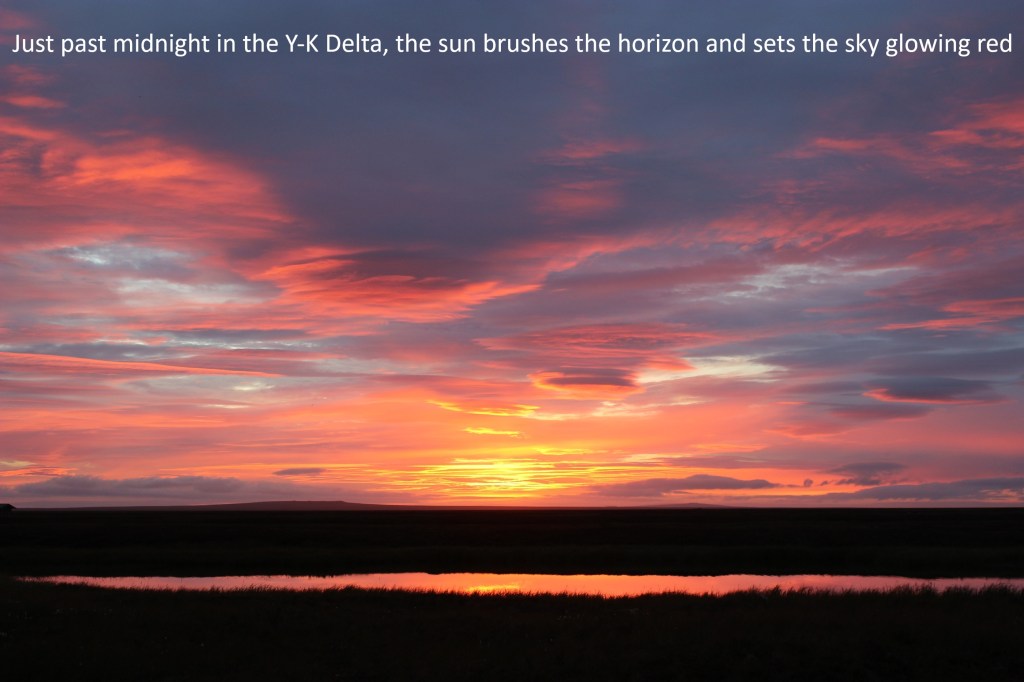
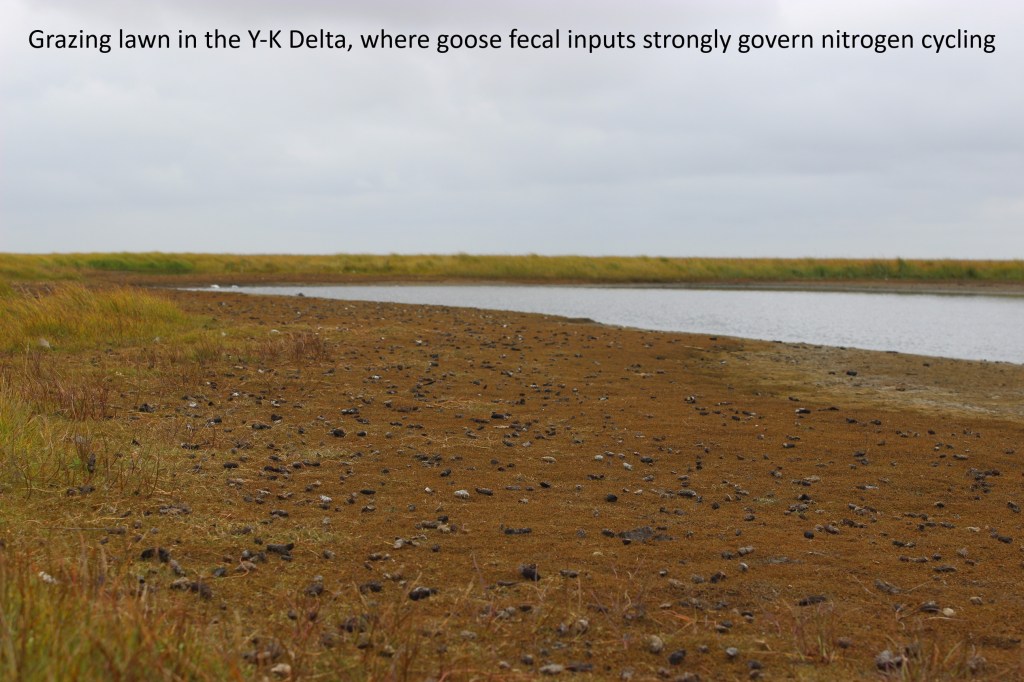
Summer flooding, Yukon-Kuskokwim Delta, western Alaska

“Increasingly frequent floods are transforming high-latitude coastal landscapes (Yukon-Kuskokwim Delta, western Alaska). Climate change altering ecosystem structure, function, and the delicate balance between land and water”

WELCOME TO THE

The TED Lab investigates how organisms function and persist under changing environmental conditions. We study how plants assemble into complex communities and how these communities shape the ecosystems they inhabit.

Our research primarily employs the functional characteristics of plants — their traits — to understand how environmental changes, such as altered temperature, herbivory, or flooding, affect species distribution and abundance, and how these changes influence ecosystem processes and services, including nutrient cycling and carbon storage. We work in tundra and beyond, connecting insights across environments to reveal how plants and ecosystems respond to biotic and abiotic variation on a rapidly changing planet.

The lab has been established in 2026 by Matteo Petit Bon, hosted at the Department of Applied Ecology at North Carolina State University

The TED Lab: Science and Culture

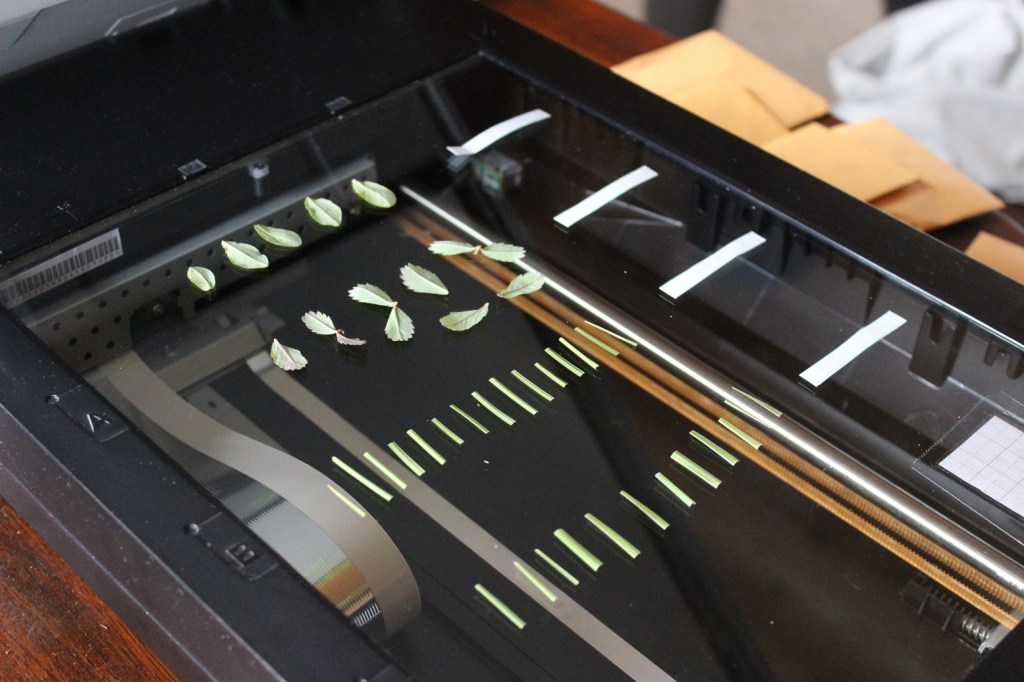
Scanned leaves illustrating variation in size and shape among wetland species (Y-K Delta, western Alaska)
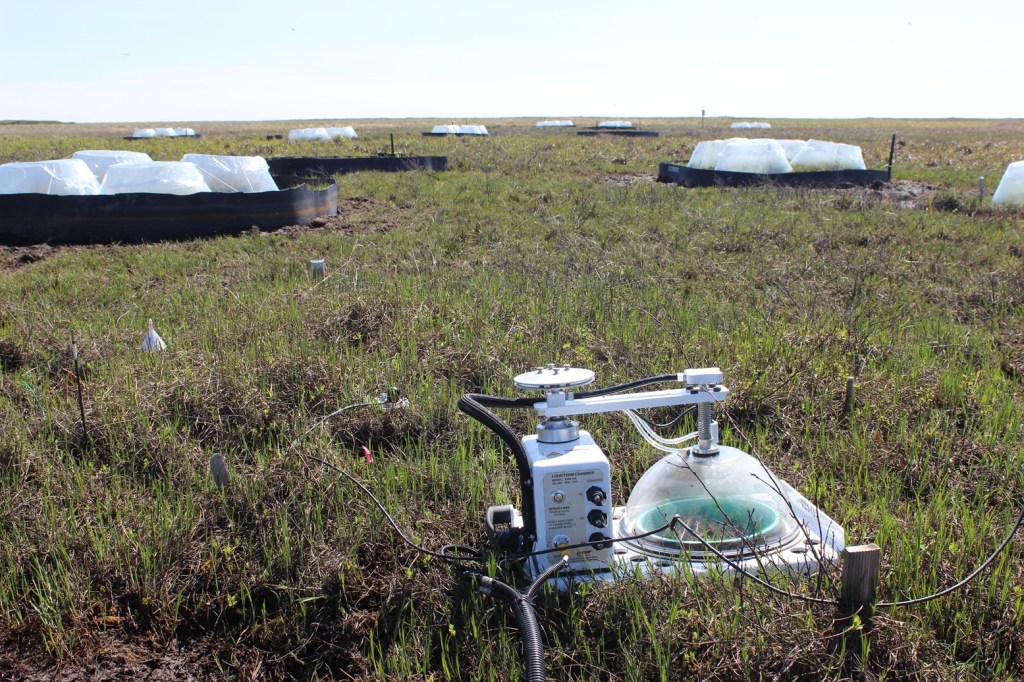
Transparent chamber capturing CO₂ fluxes to assess net ecosystem exchange (Y–K Delta, western Alaska)

The TED Lab integrates diverse approaches, from experimental manipulations in controlled environments, field plots, and global networks to observational studies spanning fine-scale environmental gradients and continental patterns. We ask clear questions, formulate explicit hypotheses, and use quantitative analyses to test them rigorously. Our strength lies in collaboration — within the lab, across colleagues’ groups, and through international research networks — constantly seeking new opportunities for cooperation and synthesis.

Members of the TED Lab are curious, open-minded, and collaborative. We empower one another by recognizing individual strengths and constructively addressing weaknesses — an approach essential for growth within and beyond academia. Aware that cognitive biases shape how we think and make decisions, we actively work to minimize their influence. Being part of the TED Lab means fostering an inclusive, respectful environment where diverse perspectives are valued and shared commitment and hard work drive scientific excellence.

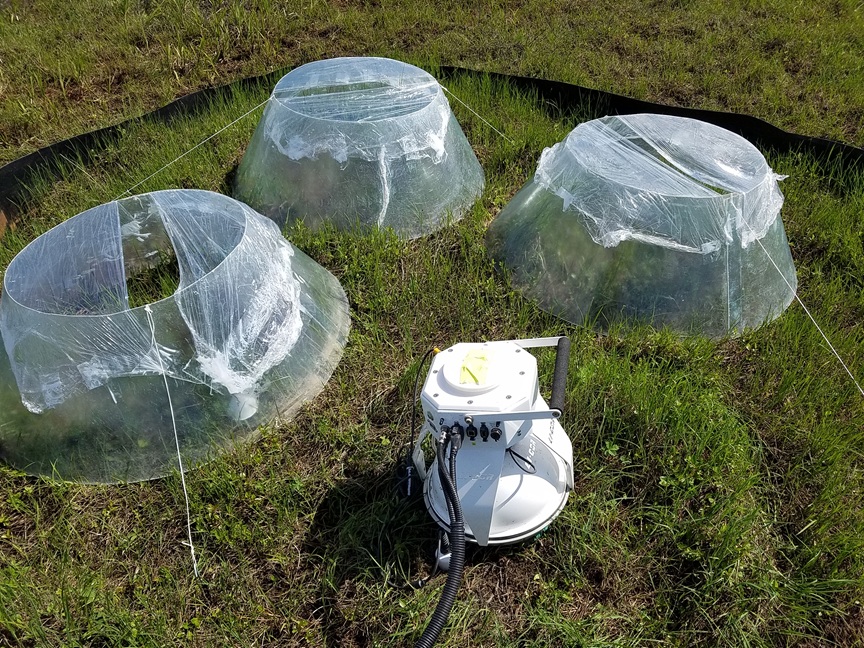
Complementing net ecosystem exchange measurements, dark chamber measuring ecosystem respiration and CH₄ fluxes (Y–K Delta, western Alaska)
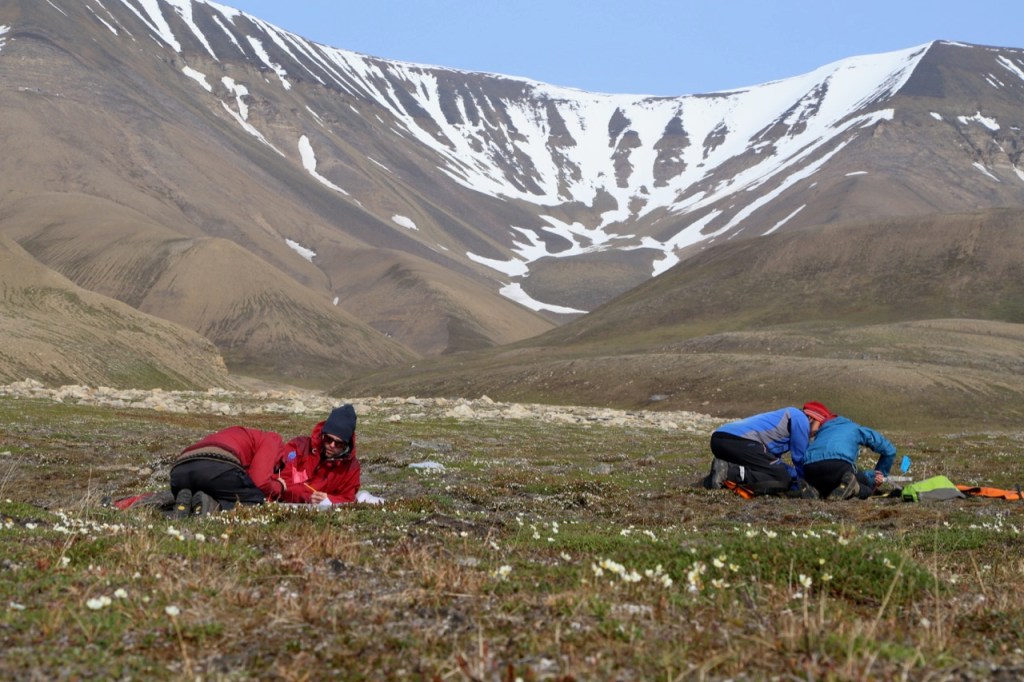
Collaboration in action: Teams conducting vegetation surveys in the Arctic tundra (Svalbard, Norway)

NC State Vision

In keeping with NC State’s vision, the TED Lab upholds the university’s core principles, applying them to our research, mentoring, and collaborative culture

Excellence

We pursue rigorous, transparent, and innovative science that advances understanding of ecosystems and informs solutions for a changing planet.

Representation & Community

We welcome diverse perspectives and experiences, cultivating an inclusive and supportive environment where respect, empathy, and collaboration drive collective growth.

Integrity

We uphold honesty, transparency, and reproducibility in all aspects of our work, fostering trust within the lab and the scientific community.

Sustainability

We use resources responsibly and conduct research with environmental awareness, building a lab culture grounded in care and long-term purpose.

Collaboration

We work across disciplines, ecosystems, and institutions to co-develop questions and synthesize knowledge that transcends boundaries.

Freedom

We encourage open inquiry, critical thinking, and respectful dialogue that promote creativity and intellectual growth.

Read, Explore, and Ask!

Leave a comment